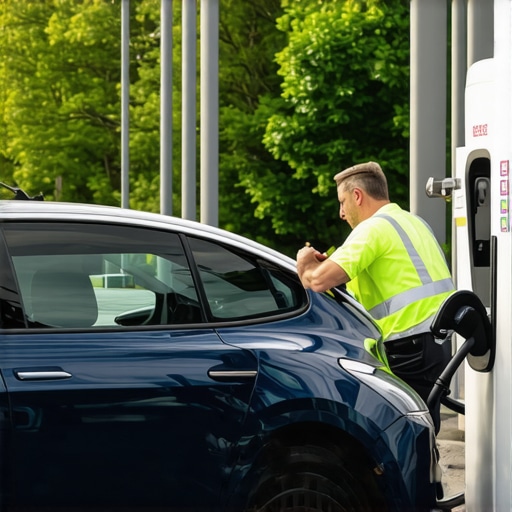

EV Charger Troubleshooting: Quick Fixes & Safety Tips for 2024
Ever been stranded in your driveway, your charger blinking weirdly, and a sinking feeling hits you? I’ve been there, fumbling with my EV charger, thinking I’d have to call in a pro or even worse, scrap the whole setup. That moment of frustration was a real wake-up call. I realized that many common EV charging issues are surprisingly simple to fix—if you know where to look and what safety steps to take. Today, I promise to share practical, real-world tips on quick fixes and safety measures so you won’t be left in the dark. Whether it’s a stubborn connection, a tripped breaker, or a confusing error code, I’ve got your back.
Why Ignoring Troubleshooting Can Cost You Big Time
Let’s face it—our EV chargers are more than just gadgets; they’re a critical part of our daily routine. When they fail, it’s more than an inconvenience; it’s a disruption to your day and a potential safety hazard. I’ve learned the hard way that neglecting small issues can lead to bigger, more costly problems down the line. For example, I once ignored a minor tripping breaker, which eventually caused my panel to overheat. A simple troubleshooting step could have prevented that costly repair. According to a recent study by the Department of Energy, proper maintenance and quick fixes can extend the lifespan of your EV charging system and ensure safety—saving you money and stress. That’s why understanding the basics of troubleshooting and knowing when to upgrade your panel is essential. Ready to become your own troubleshooting hero? Let’s dive into how you can troubleshoot common issues safely and efficiently.
Have You Faced This Problem Before? Share Your Experience!
If you’ve ever struggled with erratic charger behavior or confusing error messages, you’re not alone. I’d love to hear your story and what worked—or didn’t work—for you. Sometimes, just talking through these issues helps us all find a better solution. And if you’re unsure whether your setup is up to code, I’ll guide you on how to check and ensure everything is compliant. Remember, safety first—never ignore warning signs or try to bypass safety features. If you’re ever in doubt, contact a licensed electrician. Want personalized help? You can reach out to experts here.
Kickstart Your Troubleshooting Journey
Now that you understand why quick fixes matter, I’ll walk you through the most common problems and how to solve them. From verifying connections to upgrading your electrical panel, these tips will help you keep your EV charger safe, reliable, and ready to serve you for years to come. Let’s get started with some simple checks to get your charger back online fast.
Check Connections and Power Sources
Start by inspecting all your charger’s connections. Think of your EV charger like a garden hose; if the nozzle isn’t attached properly, water won’t flow. Unplug the charger and reconnect the plug firmly, ensuring no dirt or debris is blocking contact. I remember a time when I had a stubborn charger that wasn’t responding—simply reseating the connection solved the issue instantly. Next, verify that your power source is active. Flip the breaker off and on again; sometimes, a reset is all it needs. If your breaker trips repeatedly, it might be undersized or overloaded, indicating the need for an upgrade. For guidance on upgrading your electrical panel, visit panel upgrade tips.
Diagnose and Reset Error Codes
Modern chargers display error codes that can seem cryptic—like a foreign language. Use your owner’s manual or the manufacturer’s app to decode the message. I once faced an error indicating a communication fault; a quick reset by unplugging and plugging back in cleared it. If the code persists, consult troubleshooting guides like expert tips. Remember, some issues stem from software glitches or temporary power dips—rebooting often fixes these minor hiccups. Keep a log of error codes to identify patterns, which can point to underlying electrical problems or faulty hardware.
Ensure Proper Grounding and Safety Compliance
Grounding is the safety net of your electrical system. Imagine it as a safety valve that directs excess electricity safely into the earth—preventing shocks or fires. Use a multimeter to test your outlet’s grounding; if it’s faulty, your entire system is at risk. For comprehensive grounding checks, consult code compliance guidelines. If your grounding is inadequate, hire a licensed electrician to upgrade it. I learned this the hard way when my charger kept tripping; a grounding issue was to blame. Proper grounding not only enhances safety but ensures your charger operates reliably and complies with local codes.
Upgrade Your Electrical Panel for Reliable Power
If you’ve experienced frequent trips or your electrical system is outdated, consider panel upgrades. Think of your electrical panel as the heart of your home’s power; a weak or overloaded heart can cause failures. I once upgraded my panel from a 100-amp to a 200-amp system, which dramatically improved my EV charging reliability. This process involves installing a new breaker capacity and possibly re-routing circuits. To understand the benefits and steps involved, visit panel upgrade essentials. Remember, a professional assessment guarantees safety and compliance, preventing future headaches.
Test and Maintain Your Setup Regularly
Routine checks are your best defense against unexpected failures. Periodically inspect connections, test your ground, and monitor error codes. Use a simple outlet tester or multimeter for quick diagnostics. I schedule monthly visual inspections and keep a log of any anomalies. Regular maintenance prolongs your charger’s lifespan, saves money, and keeps safety top priority. If you notice persistent issues or suspect code violations, contact a licensed electrician at Bright Spark Electric. Staying proactive ensures your EV charging experience remains smooth and safe over the years.
Many homeowners jump into troubleshooting their EV chargers with a few basic steps, but there are common misconceptions that can lead you astray. For instance, a widespread belief is that simply resetting the charger or replacing a fuse will fix most issues. While these steps can help in some cases, real problems often lie deeper in electrical wiring, grounding, or panel capacity. Relying solely on surface fixes without understanding the underlying electrical system can lead to recurring problems or even safety hazards. For example, neglecting to verify proper grounding can cause erratic charger behavior or pose shock risks. It’s crucial to approach troubleshooting with a nuanced understanding of your home’s electrical infrastructure.
One trap I often see people fall into is assuming that your existing electrical panel can support any EV charger. This is a dangerous oversimplification. Many older panels are simply not designed to handle the increased load, leading to frequent trips or even damage. Upgrading your panel isn’t just about capacity; it’s about ensuring code compliance and safety. Many homeowners overlook the importance of proper grounding and adherence to local electrical codes, which can compromise safety and void warranties. Always consult a licensed electrician and verify your setup against code compliance guidelines.
Another misconception is that error codes are always straightforward. In reality, some error messages are symptoms of underlying issues like wiring faults, loose connections, or inadequate grounding. A quick reset might clear the error temporarily, but if the problem persists, it can cause long-term damage. I recommend keeping a detailed log of error codes and consulting trusted resources like expert troubleshooting tips. This proactive approach helps identify patterns and prevents avoidable safety risks.
What Advanced Troubleshooting Techniques Can Save You Time and Money?
For the advanced homeowner or electrician, testing your electrical system with a multimeter or clamp meter can reveal hidden issues such as poor connections, undervoltage, or insufficient grounding. These nuances often cause subtle failures that typical troubleshooting overlooks. For example, a voltage drop across the circuit can lead to inconsistent charging or error messages. Ensuring your system is up to date with a panel upgrade can mitigate these issues and improve reliability. Remember, safety is paramount—never attempt complex electrical work without proper training or licensure. If you’re unsure, reach out to professionals at Bright Spark Electric for expert help.
In conclusion, avoiding these misconceptions and understanding the complexities of your electrical system can save you significant time, money, and stress. Do you have a story about troubleshooting your EV charger or upgrading your panel? Share your experience in the comments and let’s learn together! Stay safe and keep your charging system reliable by being informed about these hidden nuances.
How do I keep my EV charger running smoothly over time?
Maintaining your EV charger isn’t just about fixing problems when they arise; it’s about adopting a proactive approach with the right tools and habits. I rely heavily on a high-quality multimeter, specifically a Fluke 115, which offers precise voltage and continuity testing. This tool has been invaluable for diagnosing wiring issues and ensuring your system maintains proper grounding. Regularly testing your outlets and circuit breakers with a multimeter helps catch potential problems before they cause outages or safety hazards.
For software management, I recommend using the manufacturer’s app for your charger, which often provides firmware updates, error logs, and troubleshooting guides. Keeping your charger firmware current can resolve bugs and improve compatibility with your vehicle, reducing the risk of connectivity issues. Additionally, using a reliable outlet tester like the Klein Tools ET300 helps verify correct wiring and grounding without the need for complex equipment.
Scheduling routine visual inspections—checking for loose connections, corrosion, or signs of overheating—can prevent many issues. I keep a maintenance log to track when I last checked connections or updated firmware. This habit ensures your charging setup stays reliable and safe for years to come.
As the trend in EV technology advances, expect tools to become smarter. Future developments like integrated diagnostic systems in chargers could alert you automatically to issues, much like modern cars do. For now, manual checks and quality tools are your best defense against unexpected failures.
Want to improve your troubleshooting skills? Try using a clamp meter to measure current flow during charging sessions. This can reveal hidden wiring faults or overcurrent conditions that might not trip your breaker immediately. Remember, safety first: always disconnect power before inspecting or adjusting wiring. If you hit a snag, don’t hesitate to reach out to a professional for assistance. Keeping your EV charger in top shape ensures reliable, safe performance and extends the lifespan of your investment.
The Hardest Lesson I Learned About EV charger,troubleshooting,code compliance,panel upgrade
One of my biggest realizations was that rushing to fix an issue without a deep understanding can backfire. Early on, I tried replacing fuses and resetting circuits without checking grounding or panel capacity, only to face recurring problems and safety risks. Now I know that addressing the root cause—like a faulty ground or an outdated panel—saves time and money. This lesson taught me the importance of patience and thorough diagnosis before jumping to conclusions.
3 Myths About EV charger,troubleshooting,code compliance,panel upgrade That Held Me Back
I used to believe that error codes were always straightforward and that resetting would fix everything. I also thought my existing electrical panel could handle any new charger, which wasn’t true. The biggest myth was ignoring the importance of proper grounding. Breaking these misconceptions opened my eyes to smarter troubleshooting and safer upgrades, making my EV charging experience more reliable and less stressful.
What Experts Won’t Tell You About EV charger,troubleshooting,code compliance,panel upgrade
Many professionals keep quiet about the complexity behind simple fixes. For example, a quick reset might seem enough, but underlying wiring faults or inadequate grounding can cause long-term issues. I’ve learned that verifying code compliance and investing in a proper panel upgrade can prevent costly repairs and ensure safety. Trusting expert advice and doing the right checks from the start is the best way to go.
Curated Resources for EV Troubleshooting and Safety
My Essential Toolkit for EV Troubleshooting includes a high-quality multimeter like the Fluke 115 which helps me diagnose wiring and grounding issues precisely. The expert troubleshooting guides from Bright Spark Electric have saved me hours of guesswork. I also rely on manufacturer firmware updates, which often fix bugs and improve compatibility. Lastly, a reliable outlet tester from Klein Tools ensures my wiring is correct, giving me peace of mind every time I charge.
Your Turn to Try
Taking the time to understand the nuances of your EV charging setup can dramatically improve safety and reliability. Whether you’re upgrading your panel or troubleshooting error codes, remember that patience and proper tools make all the difference. Don’t wait for a failure—proactive maintenance and learning will keep your system running smoothly for years to come. If you’re unsure about your electrical setup, always consult a licensed electrician at Bright Spark Electric. What’s the most surprising thing you’ve learned about EV charger troubleshooting? Share below and let’s learn together!